Politics

About Sovereign Union and our Organisational Structure

Body
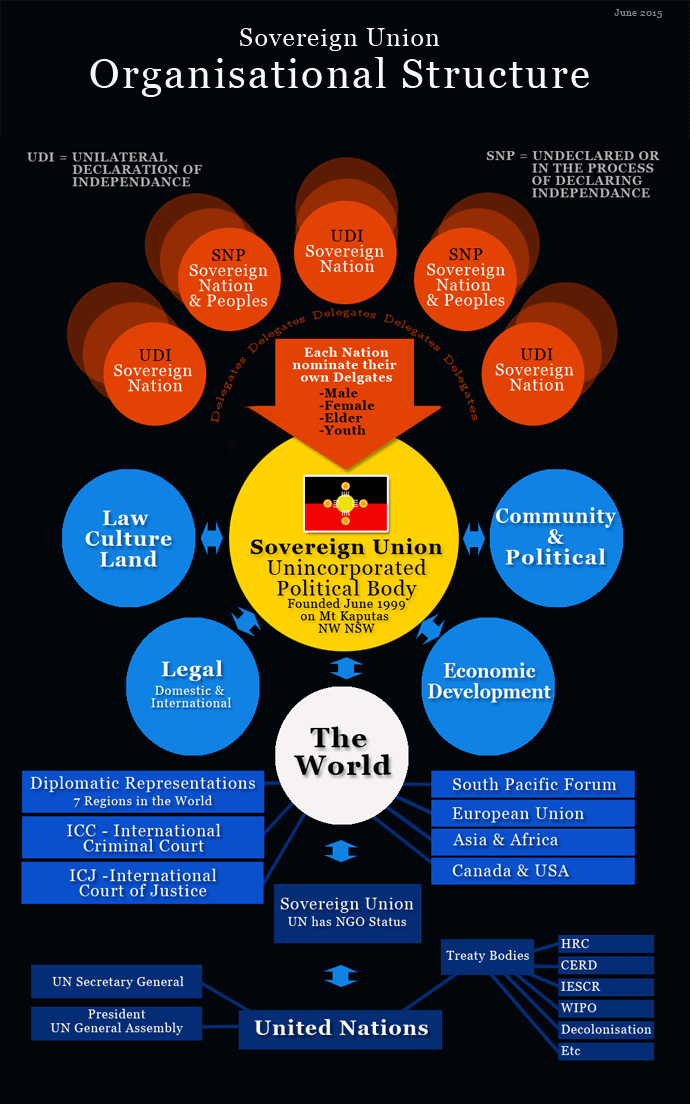
As First Nations Peoples it is now imperative that we unite and rebuild as sovereign independent nations, in order to assert our sovereign title and rights. This will be a major political and legal fight, but it is our future for not just us, but for our children and our grandchildren. The Sovereign Union governance is made up of nominated representatives from each Nation that has made their Unilateral Declaration of Independence. These representatives come together once a year to discuss all relevant political, legal, cultural, economic and social issues that confront them.
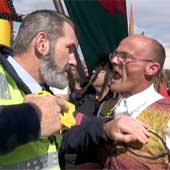
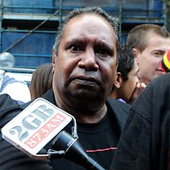
Police cause ugly confrontation with Aboriginal people at Canberra ANZAC Commemoration

Body

Organisers of the undeclared Frontier War's parade today, during the Canberra ANZAC day parade condemned the actions of the AFP for refusing to allow 200 Aboriginals and their supporters to peacefully march up ANZAC Avenue to lay a Wreath to Commemorate all those who died in wars, including those who died in the 18th, 19th, and twentieth century Frontier Wars defending their country. Ghillar Anderson said the AFP demonstrated appalling behaviour at the Frontier Wars commemoration March and that he would now seek advice in respect to whether what had happened constituted an act of racism.

For the record: Sovereignty Never Ceded

Body
Sovereignty Never Ceded

We can say that Aboriginal people throwing spears at the first white man was an act of sovereign Peoples in defense of their lands, territories and dominions.

If we are to examine the political legal action by the people and their spear throwing, it was a military exercise authorised by their law and customs which, in total, represented an Act of State on behalf of the People. They were exercising their sovereign right to defend what was theirs.

General Principles of Sovereignty for non-lawyers

Body

Sovereignty is the ultimate power, authority and/or jurisdiction over a people and a territory. No other person, group, tribe or state can tell a sovereign entity what to do with its land and/or people.

A sovereign entity can decide and administer its own laws, can determine the use of its land and can do pretty much as it pleases, free of external influence (within the limitations of international law).
By Dr Alessandro Pelizzon

Sovereign Union serves the Crown with formal objection to the Act of Recognition

Body
Graham Merritt
Graham Merritt

Aboriginal Sovereign Union diplomat Graham Merritt, speaking today from Parliament House Canberra said:

"Today is an historic moment, when on behalf of the Sovereign Union I am serving the Crown via the Governor General Quentin Bryce and the Commonwealth Government of Australia with our formal objection to the Act of Recognition.

"This Act of Recognition is a sleight of hand, as the Crown and Government continue to bypass proper recognition of our continuing Sovereignty. The Commonwealth Government is using the reform process to attempt to bring Sovereign Aboriginal Nations and Peoples into the Constitution of a foreign illegal occupying force."

Governments 'Act of Recognition' has some very serious implications

Body

The current proposals for an Act of Recognition by the Commonwealth parliament is nothing more than a token gesture, but has some very serious implications, said Sovereign Union spokesperson, Michael Anderson.

"This Act of Recognition Bill does not provide for any referendum amongst First Nations and Peoples through out Australia to register whether they accept this imposed process or reject it; whether we want another process to create the fundamental foundation of the right of self-determination as Peoples, and thereby provide for individual Aboriginal nations to negotiate amicable outcomes through a treaty process that reflects the true ambitions, inherent rights and aspirations of each individual Aboriginal Nation.

National Congress 'Tent Embassy' event on 26th is not ours

Body

First Nations sovereignty activist, Michael Ghillar Anderson, makes clear that an event being organised by the National Congress of Australia's First Peoples (NCAFP) for 26 January 2013 at the Aboriginal Tent Embassy in Canberra, is NOT an Aboriginal Embassy initiative.

Mr Anderson, spokesperson for Sovereign Union emphasises that the NCAFP is a government funded organisation that has not gained the majority support of grassroots First Nations people.

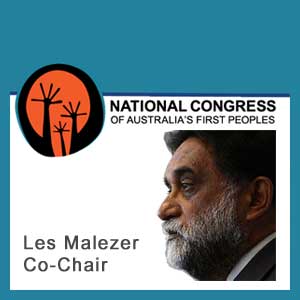
He said that he recognises the Congress's efforts regarding some reforms but Les Malezer and Congress are publicly supportive of the token Constitutional reform.

Concealing colonial strings of control

Body
Concealing colonial strings of control

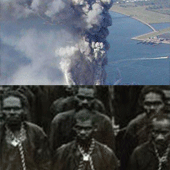
On this anniversary of 9/11 it is a good opportunity to compare spin and denial. The events of 9/11 are still being analysed, but Dr Judy Woods’ collection of photographs reveal far more than the impact of two planes flying into the Twin Towers.

Australia will never accede to any demands for a truth-telling commission relating to its historical processes of colonisation, because of the consequences that will have to be faced by England and Australia alike for their wrongdoings.

John Howard recognised continuing Aboriginal sovereignty in his Ten Point Plan for limiting Native Title

Body

Former PM, John Howard

With the passage of time it is now painfully obvious that former Prime Minister, John Howard, fully realised that Aboriginal peoples maintain a very powerful position in Australia, so much so, that by amending the Native Title Act in 1998 he demonstrated the inherent power of Aboriginal peoples, which stems from our continuing sovereignty.

Having now reviewed his Ten Point Plan it is important for us, as First Nations Peoples, to revisit John Howard’s amendments and what they meant.

Howard’s Ten Point Plan promised ‘bucket loads’ of extinguishment of Native Title after the Wik decision, in which the High Court found that Native Title continued to exist on pastoral leases in Queensland. This sent the Howard government into a fervent need to create ‘certainty’ for the non-Aboriginal landholders, driven by the fear in existing landholders of our continuing connection to Country.