Sovereignty

Maori did not cede sovereignty: Waitangi Treaty ruling

Body
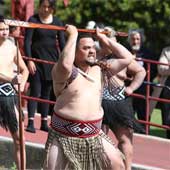
"Though Britain went into the Treaty negotiation intending to acquire sovereignty, and therefore the power to make and enforce law over both Maori and Pakeha, it did not explain this to the rangatira (chiefs)," the tribunal said.
Rather, the treaty grantied Britain "the power to control British subjects and thereby to protect Maori", while rangatira were told that they would retain their "tino rangatiratanga", their independence and full chiefly authority.
Ghillar Michael Anderson with Shane Mortimer on Sovereign Voices Radio

Body

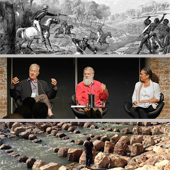
'A Coloured History' with Bruce Pascoe and Henry Reynolds

Body
Big Ideas Video

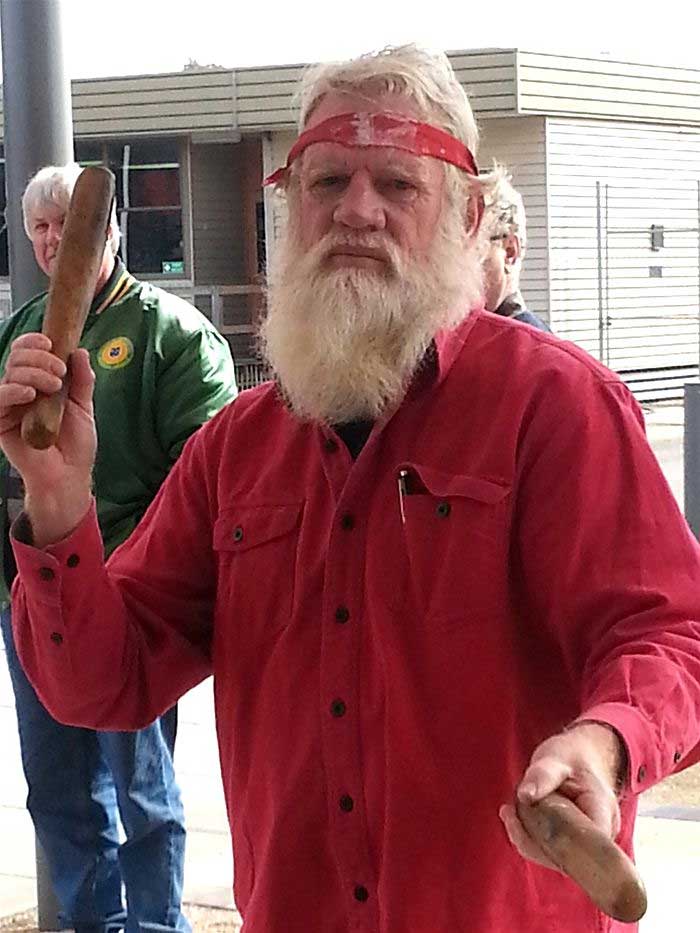
Do yourself a favour and watch this unreal video of historians Henry Reynolds and Bruce Pascoe speaking at the Sydney Writers Festival.

They speak on wars, memorials, the lack of commemorations, agriculture and the mainstream denial of the rich history of one of the world's great continents ... and the world's first bakers, with more than 12,000 years experience baking bread before any other country in the world. - ABC News 24 - 'Big Ideas'.

First Nations activist / warrior Joseph Rowe named environmentalist of the year

Body

Joseph Roe, First Nations Activist from Broome in Western Australia defied money, arrests, threats and compulsory acquisition of his people's land to maintain integrity of First Nations culture and the environment.

"The law and song cycles of Walmadan are not ancient dreamtime history." Joseph Rowe said "This law has been kept alive through my grandfather Paddy Roe and now through me

"Remove law boss Joe Roe ... from history, and the massive gas factory planned by Woodside Petroleum for north of Broome would by now be wrecking the Kimberley coastline," Dr Bob Brown said.

First Nations Women’s Ceremonial Walk for Freedom

Body

We have seen enough of the poverty in our communities when the rest of Australia are growing rich on the proceeds of genocide through the loss of our homelands through real estate and mining.

We have seen enough of the self-medicating blocking out from our trauma and grief and the dysfunction this brings. We need our own healing camps and safe places for the community to come to in times of despair.

Murrumu Walubara Yidindji: The man who renounced Australia

Body

Canberra press gallery journalist Jeremy Geia has walked away from his job, given up his passport and belongings and reverted to his tribal name, Murrumu Walubara Yidindji. He tells Paul Daley why he decided to ‘leave Australia’ while remaining on the continent – and why he still loves a cup of English breakfast tea

Murrumu returned drivers licence, then returned his passport and Medicare card to the federal government.

High Court rules Ibans have acquired native customary rights (NCR) over land in their area

Body

Malaysia: The High Court on 11 August declared that Iban landowners in Kpg Spaoh, Kpg Menat Ulu and Kpg Menat Illi in Gedong, Simunjan have acquired native customary rights (NCR) over land in their area which had been alienated by the government to several companies through provisional leases and issuance of forest licence.

The High Court also declared that the issuance of the forest licence and provisional land leases on the said NCR land are null and void.

First Nations activists Geoff Clark and Michael Mansell aim to trade beef with Russia

Body
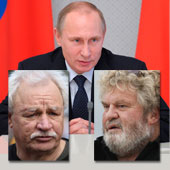
Russian president Vladimir Putin

Geoff Clark said he and Michael Mansell are planning to travel to Cape York and Gulf of Carpentaria communities in late September to discuss plans to export beef to Russia.

Mr Clark said he had led successful Aboriginal trade delegations with the former Soviet Union in the late 1980s. “These (Russian trade) sanctions have nothing to do with our people and they have been imposed by people who do not represent us,” he said.

Hunter gatherers: Invented to undermine First Nations people

Body

The book argues the idea that the first Australians were hunter gatherers has been invented to undermine Aboriginal people.

"My message to my own people," he says, "is the rest of the country's not going to change if we don't stick up for our culture; and our culture was one where we had an agricultural economy. If we stick up for our culture, it'll be useful not just for us but for the whole of Australia, because some of those crops that our people were growing are going to be useful in the future."