Northern Territory Intervention

Leading First Nation groups say Work-for-the-Dole scheme racially discriminatory and unhealthy

Body
Leading First Nation groups say work for the dole scheme racially discriminatory and unhealthy

'Aboriginal Peak Organisations of the Northern Territory', and their members have received widespread concerns about the debilitating impacts that CDP is having on its participants, their families and communities.

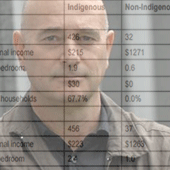
Onerous and discriminatory obligations applied to remote CDP work for the dole participants mean they have to do significantly more work than those in non-remote, mainly non-Indigenous majority areas, up to 670 hours more per year
The debilitating aftermath of 10 years of NT Intervention

Body
Jon Altman

In the April issue of Land Rights News I celebrated the 30th anniversary of the progressive and supportive Blanchard report 'Return to Country': the Aboriginal Homelands Movement in Australia. And I wondered what celebration or reproach the 10th anniversary of the Northern Territory National Emergency Response, the Intervention that was militaristically launched with extraordinary media fanfare on 21 June 2007 might elicit.

The answers to this question are threefold.

First Nations Peoples in Australia are being crushed by governments

Body

This media release highlights the crushing of the people who still live under the military intervention in the Northern Territory, where lands can be exploited and misused without consulting the true owners, nor gaining free, prior and informed consent and controlling cultured people's income under a false and deceitful charge. This page also re-issues a warning about the 'Recognise' Campaign and the decision of the Queensland Supreme Court decision in The Rates Dispute Ngurampaa v Balonne Shire Council.

Why are so many First Nations kids in detention in the NT in the first place?

Body

Thalia Anthony, Associate Professor in Law, University of Technology Sydney

Across Australia, Indigenous children constitute at least 54% of children in juvenile detention centres. The proportion of Indigenous children in penal detention centres in the NT is higher than in any other state or territory: 97% of children in NT juvenile detention centres are Indigenous.

Income management a failure, according to three-year study which contradicts findings of Forrest review

Body
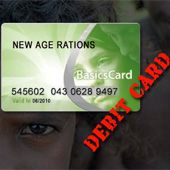
Basics Debit Card

"Income management through the BasicsCard Does not achieve what it sets out to achieve," said Alice Springs' Tangentyere Council research coordinator Matthew Campbell, whose team helped collect data for the study.

Income management in the Northern Territory has not led to people on welfare drinking less alcohol, sending their children to school more often or buying healthier food, according to the findings of a three-year study commissioned by the Federal Government.

Videos - NT Intervention

Body

Retired magistrate Pat O'Shane has criticised the Intervention and called on the Abbott government to put more resources into Indigenous affairs. "It's racist, in a word," she said.

"It's discriminatory; it is not applied to other communities in this society."

Ms O'Shane said the Howard government suspended the Racial Discrimination Act specifically to implement the policy in Indigenous communities.

Videos - Homelands explained

Body

Homelands are communities established by Aboriginal people so that they can maintain their connection with their traditional, ancestral land. These communities have lower levels of social problems and significantly better health outcomes for Aboriginal people -- as well as a strengthened connection to culture, language and spirituality.

Why First Nations people need autonomy over their food supply

Body

Going without food, or going without nutritious food, has heavy consequences for Indigenous people, as we learnt on a recent research trip to the West Kimberley. Indigenous Australians are already twice as likely to have a disability or chronic illness as non-Indigenous Australians; poor nutrition compounds these problems, leading to further illness and secondary impairments.Aboriginal people consistently reported alleviating food insecurity by going crabbing or fishing on traditional lands. Though this accounted for a small portion of total dietary intake.

John Pilger: Honouring 'Brown skin baby' Author

Body
Kwementyaye Randall

(PLEASE NOTE: The determined substitute name for the passing of the writer and performer of 'Brown Skin Baby' is Kwementyaye).

If you want to meet the best Australians, meet Indigenous men and women who understand this extraordinary country and have fought for the rights of the world's oldest culture. Theirs is a struggle more selfless, heroic and enduring than any historical adventure non-Indigenous Australians are required incessantly to celebrate.        

Rinehart and shale gas companies licensed to frack Indigenous and Pastoral Land

Body
Fracking in the NT

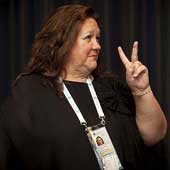
The NT gov't has just granted permission to frack significant parcels of 'Country', including the iconic Bitter Springs region and surrounding Elsey Station, to a subsidiary of billionaire resources giant Gina Rinehart, Jacaranda Minerals. The deal comes at a time when the NT govt's recent Hawke Inquiry into the controversial process of hydraulic fracturing or 'fracking' confirmed that effective laws and regulations governing the shale gas industry were not yet in place, but it continues the granting licenses.