Proposed development at Deebing Creek mission site would 'destroy our people'
Body
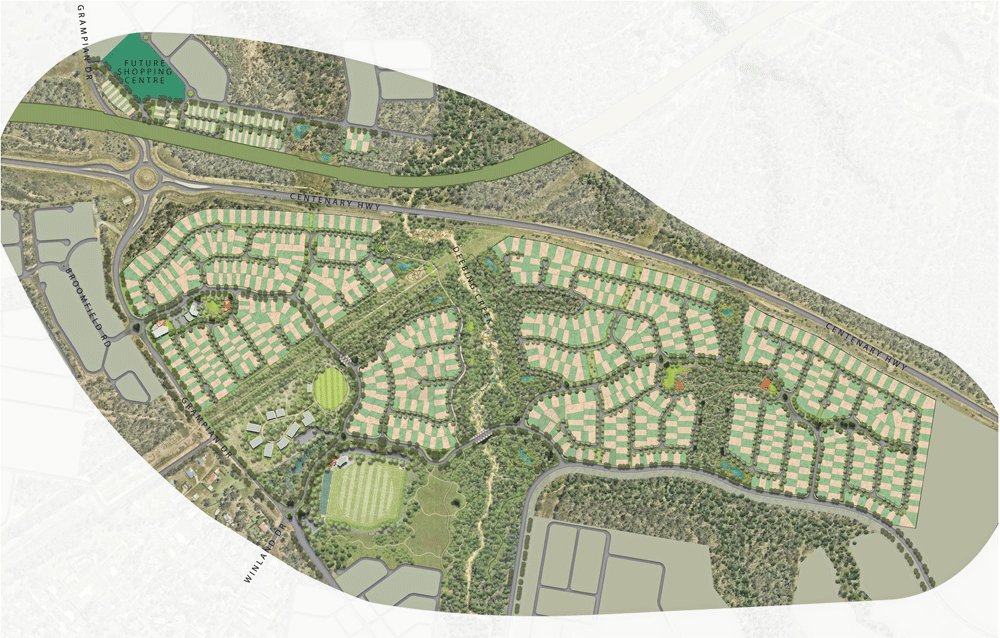 Protest at Deebing Creek Mission site


Protest at Deebing Creek Mission site
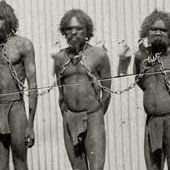
Chain gangs and slave labour in Australia" width="690" height="300" border="0">
Notice the tin mug placed in strategic places on the tin wall behind the prisoners - if one wanted a drink or go to the toilet the whole gang would have to go with them. In some cases, people were chained next to a member of a tribal group that is culturally inappropriate to even to speak to, never-loan the different customs and language barriers. It's no wonder they had difficulty fitting into their own family group when they were 'lucky' enough to return to their home.
Aboriginal heritage sites in WA are managed through different channels to non-Indigenous cultural sites, to their detriment. While non-Indigenous heritage is managed by a network of professionals across all levels of government, Aboriginal heritage is managed by a section in the Department of Aboriginal Affairs.
Signalling hills and lookouts were of immense importance for Aboriginal groups. They were often pivotal landmarks in the Songlines landscape, major means of communication and education, and tools for co-ordinated hunting or fishing. Their importance is reflected in some Aboriginal place names, for instance Nildottie in South Australia, which actually meant "smoke signal hill."
Aboriginal signalling lookouts are of interest for the role they seem to have played in co-ordinating resistance activities.
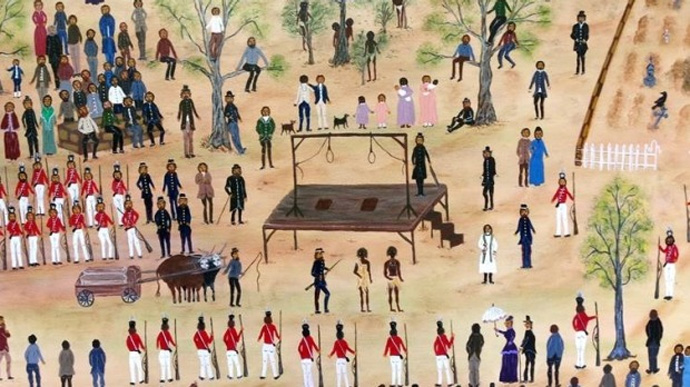
Clare Rawlinson ABC 27 November 2015
A swing set reminiscent of the gallows where two Indigenous men were hanged in 1842 will be erected as a memorial to colonial conflict in Melbourne.
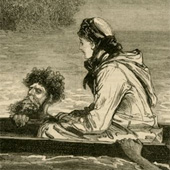
Two film makers are exploring the vital role Aboriginal transport played in the Victorian economy. Seeing the Land from an Aboriginal Canoe is a documentary film which explores the significant contribution of the stringybark canoe. The filmmakers were inspired by historian, Dr David 'Fred' Cahir, who specialises in forgotten Indigenous history. They were particularly drawn to his research into the stringybark canoe and its role in Victoria's waterways. In the film, Dr Cahir said most Aboriginal history was about violence and massacres, and not the Aboriginal contribution.

Reports of deceased names used and Aboriginal people have been turned away from polling places in various places because their names are no longer on the membership roll despite having voted in the 2011 NSW Aboriginal Land Council election. Potential voters were turned away. We need to establish a register of how many people were actually turned away on the voting day and other irregularities. In this regard people can contact the Sovereign Union Facebook message system and tell your story.

Archaeologists and Aboriginal elders are hoping the most comprehensive study of rock art in the Kimberley region will confirm the images are among the oldest made by humans anywhere in the world. More than a dozen scientists took part in two field trips to study remote faces on Dambimangari and Balanggarra country. They used pioneering techniques to collect and analyse hundreds of samples to narrow down the timeframes in which the striking images of people, animals and shells were made. Professor Peter Veth, from the University of Western Australia, said they were expecting to have the first results through by the end of the year.
According to a duo of Australian scientists, Aboriginal society has preserved memories of Australia’s coastline dating back to 11,000 – 5,300 BC.
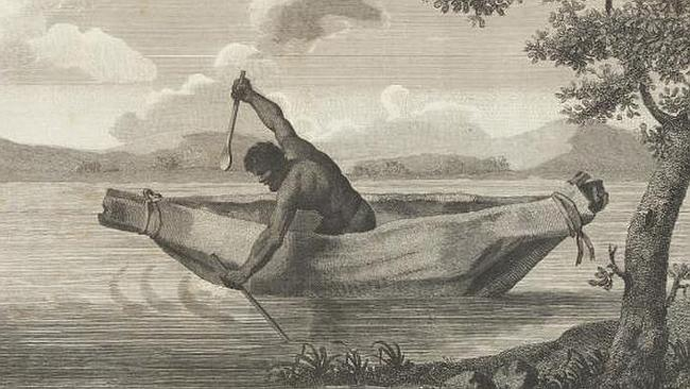
(Picture: State Library of Victoria)
news.com.au 12 September 2-15